


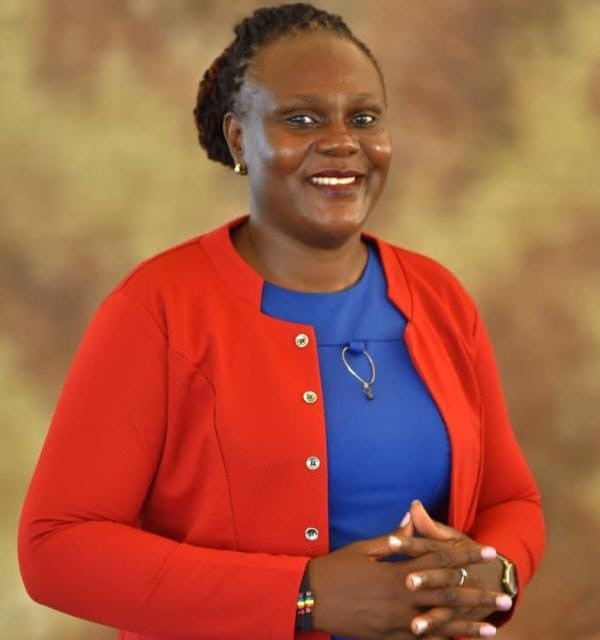
Driven by lived experience and a deep sense of purpose, Rona Babweetera is challenging systems that fail women, using law, community action, and advocacy to push for lasting gender equality in Uganda.
When Rona Babweetera speaks about her work, she does not describe it as a career. She calls it a calling, rooted in pain, shaped by experience, and driven by a desire to transform systems that have long failed women and girls.
An Advocate of the High Court of Uganda, Babweetera holds a Bachelor of Laws degree from Makerere University and a Diploma in Legal Practice from the Law Development Centre. She now heads the Gender Department at the Uganda Network on Law, Ethics and HIV/AIDS (UGANET), where she leads programmes addressing the intersection of gender-based violence and HIV. But her journey into this work did not begin in a courtroom or office; it was shaped in childhood and later reinforced by personal experience.
“I grew up as an orphan,” she says. “I saw women judged by patriarchal norms that limited their participation in both public and private spaces.”
Those early observations, combined with her own experience of abuse and inequality in her first marriage, planted a determination to act.
From pain to purpose
That resolve guided her into the legal profession. She started as a volunteer in a law firm, where she quickly became aware of gaps in the justice system. Women seeking legal help for divorce, property disputes, child maintenance, and custody were often met with dismissive attitudes, sometimes even ridicule, from some practitioners.
“In court, I observed bias from male judges,” she recalls. “That is when I made a personal decision to provide better, more specialised, and survivor-centred legal representation.”
After a year, she realised her impact would be limited within a traditional law firm. She moved into the non-governmental sector, working with organisations focused on human rights and women’s empowerment.
Her personal life also shaped her understanding of balance. “My first marriage collapsed partly because I refused to give up my career, even when it required me to be away from Kampala,” she says. “In my current marriage, I have found better balance, and this informs how I now advocate for flexible work policies.”
A turning point in advocacy
Her work at FIDA Uganda marked a major shift in her perspective. While working upcountry, she encountered widespread cases of abuse, many unreported and others left unresolved due to weak justice systems and limited access to services.
“That is when I made a vow that my work would be dedicated to ensuring legal action for women,” she says.
A defining moment came when she was trained in the SASA Together methodology by Raising Voices. The approach reframed her understanding of gender-based violence, showing it as a consequence of unequal power relations reinforced by patriarchy, weak enforcement systems, and institutional bias.
“That training changed everything. It helped me understand that this is not just about individual cases, but about systems,” she explains.
Since then, she has focused on systemic change, combining legal advocacy with community engagement. She believes that when women understand their rights and value, they are better positioned to challenge violence and demand accountability.
Mentorship has also shaped her journey. She credits women such as Dorah Kiconco Musinguzi and Grace Naiga Bebwa for guiding and encouraging her through difficult moments.
She has also learned to work within social norms rather than confront them outright, using respect and strategy to influence change.
“This has enabled me to work effectively with community leaders, including men, to shift harmful gender norms,” she says.
Leading change through collaboration
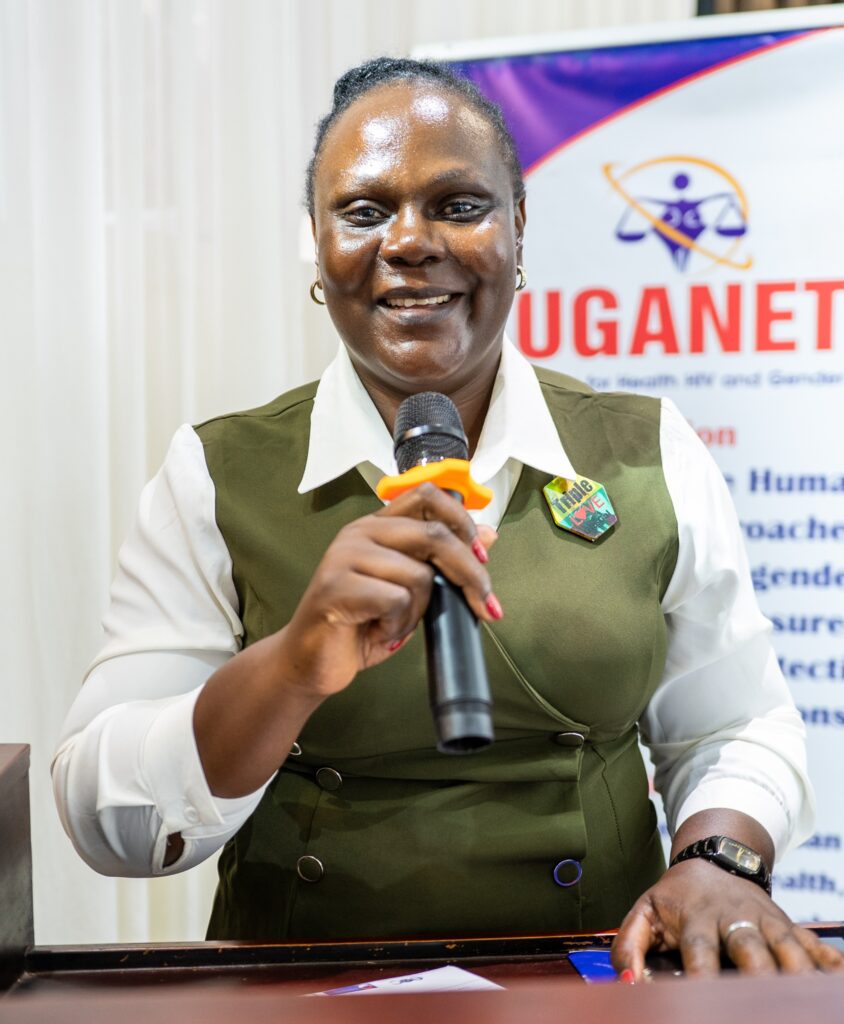
At UGANET, Babweetera applies a transformative, feminist, and collaborative leadership approach. Her focus is not only on responding to violence but on dismantling the systems that enable it.
“I focus on shifting power so that women can not only live free from violence but also lead,” she says.
Her strategy emphasises partnerships across the women’s rights sector to avoid fragmented efforts. She also involves men and boys as allies, recognising that sustainable change requires engaging those who hold significant social power.
“I do not fight men. I work with them to shift harmful norms,” she says.
Community-based programmes using the SASA methodology have shown results, with attitudes and behaviours slowly changing from within communities.
Leading people, not just programmes
Babweetera manages a team of 25 staff across 13 districts, many working in emotionally demanding environments, dealing with trauma and violence.
To support them, she prioritises psychological safety and open conversations about mental wellbeing. She encourages staff to acknowledge emotional strain rather than suppress it.
“You cannot follow up a case of a six-year-old child who has been defiled and remain unaffected,” she says.
She ensures regular check-ins, promotes time off, and models vulnerability in her own leadership. Team members are given autonomy, supported in decision-making, and recognised for their work.
“At the end of the day, we are humans first before we are human rights advocates,” she reflects.
Lessons in influence and reform
Her experience has also taught her that institutional change is slow and requires persistence, strategy, and collaboration. She highlights the importance of aligning advocacy with government systems and political opportunities.
Data plays a critical role in her work, both statistical and narrative.
“Stories matter. They make the issues real,” she says.
However, she cautions that passing laws is not enough. Without enforcement, legal reforms remain ineffective.
“Laws are meaningless without action,” she says.
What still needs to change
Looking ahead, Babweetera believes accelerating gender equality requires stronger legal frameworks, mandatory reporting systems, and accountability mechanisms. She also calls for gender-responsive budgeting and workplace reforms that support caregivers.
She emphasises the need for greater representation of women in leadership across all sectors, not just gender-focused spaces.
Closing the digital gender gap and challenging cultural biases around women’s leadership are also key priorities.
“Women should not have to adopt masculine traits to be recognised,” she says.
For Babweetera, the struggle for gender equality is deeply personal, shaped by her own journey and driven by a commitment to ensure others do not face the same barriers.
“This journey is about making sure the system works for everyone,” she says quietly.
Impact and contributions
Among her most notable contributions is the establishment of safe spaces for survivors, including the Rising Woman GBV Shelter, Home and Wellness Centre. The facility offers legal, medical, and psychosocial support, as well as vocational training in skills such as craft-making, shoe production, and gardening.
Through partnerships, her work has also contributed to legal reforms, including influence on the Domestic Violence Act, the Prohibition of Female Genital Mutilation Act, and amendments to the Succession Act, strengthening rights for widows and children.
Her initiatives have also supported women’s leadership at the community level, with many survivours now serving as councillors, local leaders, and community organisers.

Comments are closed